


The Psychology Behind Casino Design
Casinos are meticulously crafted environments that play on psychological principles to enhance the gaming experience and promote repeat visits. One fundamental aspect is the use of colors and lighting. Bright lights and vibrant colors stimulate excitement and draw players in, creating a sense of urgency to engage in games. By contrast, softer lighting in lounge areas encourages relaxation, allowing players to recharge before jumping back into action. Many players enjoy the thrill of spinning the reels in their favorite games, including the best online pokies , which adds to the excitement of the casino atmosphere. The juxtaposition of these elements keeps the energy high and encourages players to stay longer, which ultimately leads to increased spending.
Another psychological tactic employed by casinos is the concept of intermittent reinforcement. This principle, often studied in behavioral psychology, suggests that rewards given randomly rather than consistently lead to higher levels of engagement. Casinos take advantage of this by providing unexpected wins, creating a thrill that entices players to continue gambling in hopes of another rewarding experience. This unpredictability can make the act of playing feel more exciting, as the allure of a win can overshadow the reality of losses.
Moreover, casinos often utilize the principle of loss aversion, which states that people prefer to avoid losses rather than acquire equivalent gains. In a casino setting, players may feel compelled to keep playing in an effort to recover previous losses. This phenomenon, called the “sunk cost fallacy,” encourages patrons to gamble even when they might otherwise walk away. By embedding these psychological elements into their design, casinos cultivate an environment where players feel a continuous urge to return.
Strategic Game Placement and Layout
The layout of a casino is no accident; it is a carefully considered design that influences player behavior. Slot machines, for instance, are often placed near entrances to capture the attention of incoming visitors. These machines typically offer bright screens and enticing sounds that enhance the gambling experience, encouraging players to engage right away. Additionally, high-traffic areas are filled with popular games that have the potential for quick payouts, drawing in those looking for a fast thrill.
Furthermore, casinos utilize a winding layout that can lead patrons through various gaming sections, often without them realizing how much time they have spent inside. This design creates a maze-like flow that encourages players to explore different areas, keeping them engaged for extended periods. The strategic placement of table games and slot machines maximizes visibility while minimizing distractions, allowing for a seamless transition from one game to another without the player losing momentum.

Moreover, casinos often place dining and entertainment options in close proximity to gaming areas. This multifaceted approach ensures that players have access to amenities without having to leave the gaming environment. For example, a player may choose to take a break at a nearby restaurant but remain visually connected to the games, thus prolonging their stay. This strategic layout effectively combines recreation and relaxation, ensuring that visitors remain engaged for as long as possible, ultimately increasing the time and money spent in the casino.
The Role of Rewards and Loyalty Programs
Many casinos implement rewards and loyalty programs designed to enhance player engagement and retention. These systems often offer points that can be redeemed for a variety of perks, including free meals, hotel stays, and even cash back on losses. Such incentives create a sense of belonging, as players feel recognized and valued by the establishment, making them more likely to return. The more a player engages with the casino, the more rewards they accumulate, reinforcing their loyalty to that particular venue.
Additionally, tiered loyalty programs can further enhance engagement. As players progress through different levels of membership, they unlock increasingly attractive rewards, creating a competitive edge and motivating them to play more. For instance, higher-tier members may receive exclusive invitations to special events or access to private gaming areas, thus fostering a sense of exclusivity. This stratification not only promotes repeat visits but also facilitates a community atmosphere where players feel they are part of a select group.
Casinos also leverage technological advancements to enhance their loyalty programs. Mobile apps and digital platforms allow players to track their progress, check rewards, and receive personalized offers. This ease of access means players are continually reminded of the benefits they can achieve through ongoing engagement. The integration of technology into loyalty programs enhances the overall experience, making it not just about playing games but also about cultivating long-term relationships between players and the casino.
The Ambience and Experience Factor
The atmosphere within a casino plays a crucial role in enticing players to return. High-quality sound systems create an immersive environment, where the thrilling sounds of slot machines and the chatter of excited gamblers blend into a symphony of excitement. This auditory landscape heightens the sense of thrill and engagement, making it easy for players to lose track of time. Combined with an energetic vibe, this ambience fosters a unique experience that players associate with enjoyment and excitement.
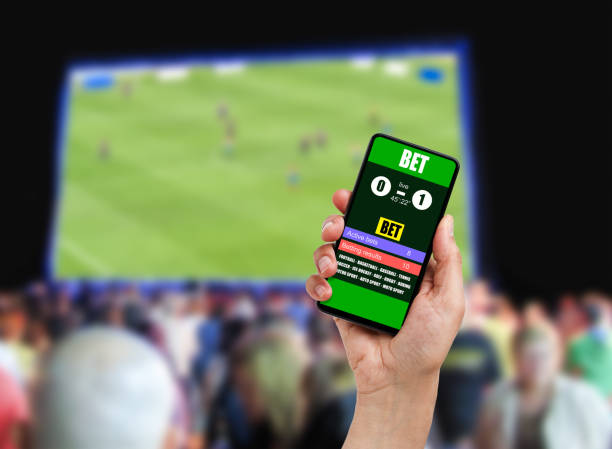
Casinos often employ live entertainment as an added layer of attraction. From musicians and magicians to elaborate shows, these performances provide a break from gaming and create a festive atmosphere that encourages players to linger. The presence of entertainment options adds to the allure, as patrons may choose to spend more time in the venue, not just relegating their visit to gambling alone. In doing so, casinos can create a holistic entertainment experience that keeps guests coming back for more.
Moreover, the hospitality aspect cannot be overlooked. Staff trained in customer service can enhance the gaming experience significantly. Friendly dealers and attentive servers can make guests feel valued and appreciated, which translates into a desire to return. Whether it is offering complimentary drinks or personalized service, these touches play a vital role in creating a warm and inviting atmosphere that encourages players to make the casino their go-to destination for entertainment.
Website Insights and Experiences
For those looking to understand the dynamics of casino experiences, visiting well-designed websites can provide valuable insights. Many casinos now offer extensive online platforms that replicate the physical experience with detailed game descriptions, rules, and even virtual tours. These sites help potential visitors familiarize themselves with what to expect, making them more likely to visit in person. Information on amenities, promotions, and loyalty programs is also readily available, helping to cultivate interest and excitement regarding upcoming visits.
These websites often allow users to engage with various features like online gaming options, which can serve as a prelude for an eventual visit. By enabling players to experience the thrill of gaming from home, casinos can pique interest and create a desire for the physical experience. Many online platforms also host exclusive promotions, such as bonuses for first-time visitors, which can drive traffic to the physical location.
Additionally, most casino websites feature a comprehensive section dedicated to customer testimonials and reviews. By showcasing positive experiences from fellow patrons, these sites build credibility and trust, further enticing newcomers to explore what the casino has to offer. With a combination of user-friendly navigation, engaging content, and enticing visuals, casino websites can reinforce the allure of visiting in person, ensuring that guests are eager to return for more gaming and entertainment experiences.